
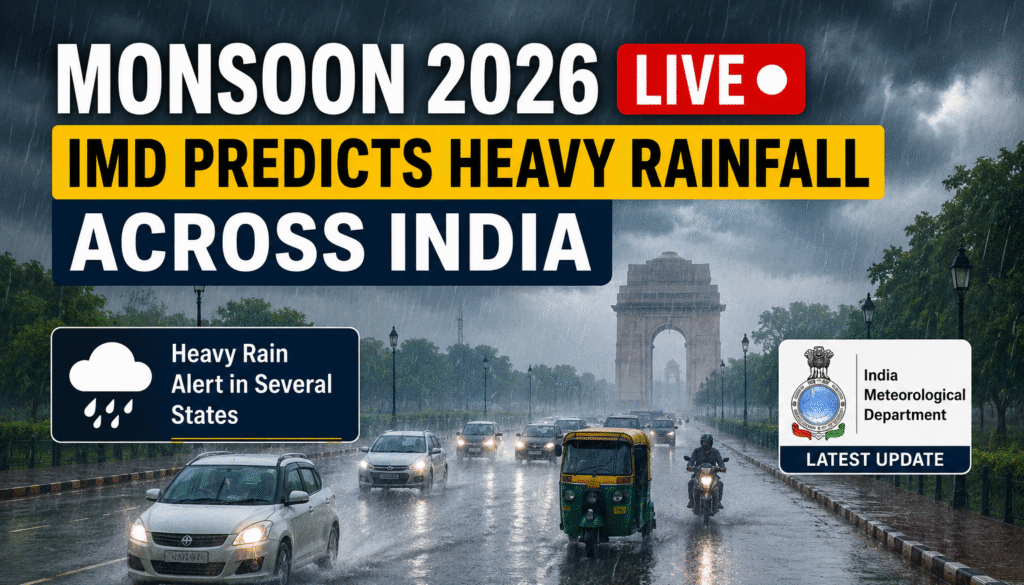
Heavy rain safety tips India 2026 are becoming increasingly important as several parts of the country experience rain, thunderstorms, lightning and gusty winds. Weather conditions can change quickly, especially during intense rainfall, so knowing what to do at home, while travelling and during flooding can help reduce unnecessary risks.
On September 28, the India Meteorological Department (IMD) forecast rainfall and thunderstorms across several parts of India, with isolated heavy rainfall expected in areas including Uttarakhand and parts of southern India. Some western and northeastern regions may also experience rain, lightning and gusty winds.
Here are 10 practical steps you can follow during heavy rain and severe weather.
1. Check the Weather Forecast Before Going Out
Before travelling during heavy rain, check the latest weather forecast and warnings for your area. Weather conditions can vary significantly between nearby districts, so a general forecast may not tell the full story.
Use official weather information when possible and pay attention to warnings about heavy rainfall, thunderstorms, lightning, flooding and strong winds.
2. Avoid Unnecessary Travel During Very Heavy Rain
If heavy rain is affecting your area, consider delaying non-essential travel until conditions improve.
Road visibility can fall quickly during intense rainfall. Water can also collect on roads, making it difficult to judge the depth of flooded areas.
If you must travel, allow additional time and follow local traffic and weather advisories.
3. Never Drive Through Flooded Roads
One of the most important rain safety rules is to avoid driving or walking through water when you cannot clearly see the road underneath.
Floodwater can hide:
- Open drains
- Potholes
- Damaged roads
- Debris
- Strong currents
Even shallow-looking water can create dangerous conditions if the road surface or drainage system is damaged.
4. Stay Away From Rivers, Drains and Low-Lying Areas
Heavy rainfall can cause water levels to rise quickly in rivers, streams and drainage channels.
Avoid standing near fast-moving water to take photographs or videos. Stay away from drainage channels and other locations where water levels can rise suddenly.
If local authorities advise residents to move to safer locations, follow the instructions promptly.
5. Take Extra Care During Lightning and Thunderstorms
Thunderstorms can create additional risks during heavy rain. If you hear thunder or see lightning, move indoors where possible.
- Avoid open fields and isolated high points.
- Do not shelter under isolated trees.
- Stay away from exposed rooftops during active thunderstorms.
- Follow official weather alerts.
During lightning activity, staying inside a substantial building is generally safer than remaining outdoors.
6. Protect Electrical Equipment at Home
Water and electricity can create serious hazards. During flooding or water entering a building, avoid touching electrical appliances, switches or wiring if the area is wet.
If there is a risk of water reaching electrical equipment, contact a qualified electrician or the appropriate local authority rather than attempting repairs yourself.
Keep important electronic devices and chargers away from windows, balconies and areas where rainwater can enter.
7. Keep Your Phone Charged
A charged phone can be useful during severe weather, especially if there are power cuts or travel disruptions.
Before severe weather arrives:
- Charge your phone and power bank.
- Keep emergency contacts available.
- Enable important weather or emergency alerts.
- Keep a torch available.
If your area regularly experiences heavy rainfall, keeping a basic emergency kit at home can also be useful.
8. Keep Important Documents and Medicines Dry
During heavy rainfall or flooding, move important documents, medicines and essential items to a dry and elevated location.
Consider protecting items such as:
- Identity documents
- Insurance papers
- Bank documents
- Property documents
- Essential medicines
- Important electronic storage devices
Using waterproof bags or sealed containers can provide an additional layer of protection.
9. Be Careful With Food and Drinking Water After Flooding
Floodwater can contaminate food, surfaces and water supplies.
Do not assume that water is safe to drink simply because it looks clear. Follow instructions from local authorities or your water supplier if flooding affects your area.
Food that has come into contact with contaminated floodwater should not be consumed unless official guidance confirms that it is safe.
10. Follow Official Emergency Alerts
During severe weather, conditions can change quickly. Follow updates from official authorities rather than relying only on social media posts or forwarded messages.
India's National Disaster Management Authority operates the SACHET alert system, which provides disaster-related alerts and information. The platform supports warnings for hazards including floods, lightning, thunderstorms, landslides and other emergencies.
Heavy Rain Travel Safety Checklist
If you need to travel during rainy weather, use this quick checklist:
- Check the latest weather forecast.
- Check road and transport conditions.
- Keep your phone fully charged.
- Carry a power bank if possible.
- Carry drinking water and essential medicines.
- Keep important documents protected from water.
- Avoid flooded roads.
- Do not stop near rivers or fast-moving water.
- Follow police and local administration instructions.
- Be prepared to postpone non-essential travel.
What Should You Keep in a Rain Emergency Kit?
A simple emergency kit can be useful during prolonged rain, flooding or power outages.
- Flashlight or torch
- Power bank
- Drinking water
- Basic first-aid supplies
- Essential medicines
- Packaged food
- Waterproof document storage
- Extra batteries where required
- Basic hygiene supplies
Why Rain Safety Matters in 2026
Heavy rainfall can affect transportation, electricity, communications and everyday activities within a short period of time. Recent weather forecasts have highlighted active rainfall and thunderstorm conditions across several parts of India.
Good preparation does not require complicated equipment. Checking official forecasts, avoiding unnecessary travel, staying away from floodwater and following emergency instructions are simple steps that can make a significant difference.
Frequently Asked Questions
What should I do during very heavy rain?
Stay indoors when possible, monitor official weather updates and avoid unnecessary travel. If flooding or another emergency develops, follow instructions from local authorities.
Is it safe to drive through floodwater?
No. You should avoid driving through flooded roads when the depth, road surface or water movement cannot be clearly assessed.
What should I do during a thunderstorm?
Move indoors and avoid exposed locations such as open fields, rooftops and isolated trees. Continue monitoring official weather warnings.
How can I prepare my home for heavy rain?
Check drainage around the property, keep important items above possible water levels, protect electrical equipment from water and keep phones, flashlights and essential supplies ready.
Where can I check official weather alerts in India?
The India Meteorological Department provides weather forecasts and warnings, while the National Disaster Management Authority's SACHET platform provides disaster-related alerts.
Final Takeaway
Heavy rain safety tips India 2026 are especially useful when weather conditions change quickly. The most important steps are simple: check official forecasts, avoid unnecessary travel, never enter unknown floodwater, stay indoors during lightning when possible, protect electrical equipment and follow local emergency instructions.
Preparation is usually easier before severe weather arrives, so keeping your phone charged and a basic emergency kit ready can help you respond more safely if conditions worsen.
Sources
Weather information in this article is based on updates from the India Meteorological Department and disaster-alert information from India's National Disaster Management Authority.
Disclaimer: This article provides general safety information and should not replace instructions from local authorities, emergency services or official weather agencies. Weather conditions can change quickly, so always check the latest local warnings.